Fiona Duncan: Initial Reflections from local area visits
Independent Strategic Advisor Fiona Duncan blogs on her initial reflections report, based on the first of her visits to Scotland’s 32 local authorities.
Back in May, before setting off on the first of my 32 local authority visits, I wrote about what I hoped to learn from hearing directly from children, families and care experienced adults, and the people working alongside them. About what is changing, what is working, what continues to get in the way – and why.
Today I have published the first of four reports I will write as I make my way around Scotland. This report reflects on what I have heard and seen so far in North Lanarkshire, Shetland, Midlothian, Fife and Aberdeenshire.
It comes ten years to the day after then First Minister Nicola Sturgeon announced the Independent Care Review, following years of campaigning by the care experienced community. It also follows the publication of Report FOUR by the Oversight Board.
Rightly, my focus is on what still needs to be done for Scotland to keep the promise by 2030. But a decade on, it is also worth remembering why an Independent Care Review was needed in the first place and asking what has changed since.
That is what the visits are intended to do— I am not comparing or assessing local places. Five places cannot reflect everything that is happening across Scotland. I am looking for patterns: what enables change, what continues to prevent it, why progress varies and, crucially, who has the power and responsibility to act.
One thing said to me, over and over, is how unusual it is that more than six years after the Review concluded and the promise was made that keeping it remains a driving force for change. Across very different places, through changes in leadership, competing pressures on resources and time, and everything that has happened since 2020, organisations across Scotland continue to organise their work around keeping the promise.
Typically, reviews conclude, reports are published, recommendations are considered - maybe accepted – then, before long, attention moves on. That has not happened with the promise. It has not faded from view or lost its urgency.
There are many reasons for this. Not least the continued and active involvement of children, families and care experienced adults to whom the promise was made and the determination of those working to keep it.
The Independent Care Review was not simply a review that produced recommendations. It resulted in a promise made to babies, infants, children, and families and care experienced adults. People who are now waiting for the promise to be kept.
Sustaining commitment was never the point – it continues to be what that commitment changes in the lives of babies, children, families and care experienced adults.
Across urban, rural, remote and island communities, I have heard about work to involve babies, infants, children, young people, families and care experienced adults in decisions that affect them, to provide help earlier, to nurture and protect important relationships, to strengthen whole family support, to make care settings truly loving, and to recognise that parenting is lifelong. Relationships have come through very strongly.
I have heard what changes when children, young people, families and care experienced adults know and trust the people around them; when support feels like help, without judgement; and when the workforce has the flexibility and time to protect the relationships that matter.
There is a lot happening. And a lot to learn from. But a lot of good work does not necessarily add up to the change Scotland promised. A collection of great initiatives or improvements to individual services is not the same as transforming how Scotland supports children, families and care experienced adults.
Plan 24-30 sets out the shared framework for the work still to be done.
Through my visits, I am looking at how that work is being brought together locally, using existing planning and partnership arrangements. Whether there is a shared understanding of what needs to change, who is responsible for making it happen and what requires action beyond individual organisations or local areas.
Relationships between organisations matter too. They can create the trust needed to work differently, challenge one another and sometimes let go of the way things have always been done.
Most importantly, I am hearing directly from the care community who continue to be extraordinarily candid with me - and I remain very grateful for that. These conversations help test not just what services and organisations say is changing, but what that feels like in real lives. This includes families who historically may have been considered on the edge of the 'care system' but today are being helped to tackle the challenges getting in their way.
Services can be good while the overall experience remains poor. A child can receive loving care but live far away from their friends, school, family and community. Support can exist for a care experienced adult but still feel too risky or stigmatising to ask for.
Organisations can work well together without that resulting in earlier or better help.
The Oversight Board's latest report makes a similar point. Progress must be judged by what people experience, not simply by the activity taking place. So, yes, Scotland is making real progress. But there continue to be experiences that remain unacceptable.
Another thing I keep coming back to is authority, responsibility and accountability.
Local partners are increasingly clear about the things they can change themselves. Where they have the powers, resources and flexibility to act, they must use them.
They are also clear about the things they cannot resolve alone. Decisions about national policy, legislation, funding and accountability all shape what is possible locally.
And many of the changes necessary will only happen when different organisations, locally and nationally, act together. That means being clear about who can act, who must act and where responsibility is shared. Shared responsibility must mean shared leadership, with clarity about who is accountable for what.
The Independent Care Review was clear about the need to organise resources and services around what children and families need, rather than expecting people to fit in with whatever provision already exists.
It is not acceptable for children who cannot safely live at home to have to live far from their families, friends and communities because the right support is not available closer to home. The 'system' must be made to work for the child.
These first visits have reinforced some things I already knew and challenged others. As I continue around Scotland, I will test what I am hearing, distinguish between issues specific to particular places and those experienced more widely, and be clear about what needs to happen as a result.
The children, families and care experienced adults I meet will continue to challenge my thinking. And I will continue to challenge those with the authority and responsibility to act, locally, collectively and nationally.
Because the question remains the same as it was ten years ago: what must Scotland do differently to make sure children, families and care experienced adults experience the change they were promised?
Local Area Visits: Initial Reflections Report
My first report around my visits to Scotland's 32 local authorities.
Independent Strategic Advisor
On my dedicated webpage you can read more about my wider work as Independent Strategic Advisor, including my published advice.
About the author
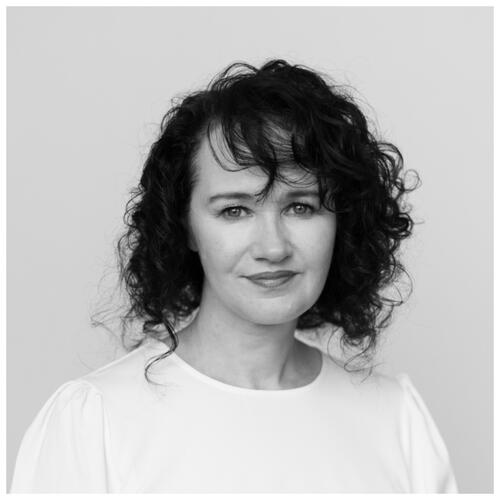
Fiona Duncan
Independent Strategic Advisor - the promise
Fiona Duncan is the Independent Strategic Advisor - the promise, and advises Scottish Ministers in this capacity.